Automatic cleaning is not the default for every UV system.
Use scheduled offline cleaning when fouling is slow, shutdown is acceptable and the sleeves are easy to reach. Evaluate online mechanical or mechanical-chemical cleaning when deposits return quickly, continuous operation matters or maintenance access is limited. First confirm that the intensity loss is really caused by sleeve fouling.
Confirm why UV intensity is falling
A dirty sleeve can block UV transmission, but it is only one possible cause. A useful maintenance record compares the same operating condition over time instead of reacting to one alarm value.
Possible cause
What to check
What not to assume
Sleeve or sensor-window fouling
Inspection, cleaning response, deposit pattern and trend after cleaning
That every low reading is a failed lamp
Lower UV transmittance
Current UVT or water analysis at the actual operating condition
That clear-looking water has unchanged UVT
Lamp aging or ballast fault
Operating hours, individual lamp status, current/alarm record and matched ballast
That a glowing lamp still has sufficient germicidal output
Hydraulic or process change
Actual flow, level, bypass position, bubbles and reactor/channel condition
That catalogue flow proves delivered dose
Trend intensity, UVT, flow, lamp hours and cleaning dates together. The trend is more useful than a calendar-only cleaning interval.
Compare the three cleaning methods
Method
Best fit
Main limitation
What to specify
Offline chemical or manual cleaning
Slow fouling, accessible reactors, planned shutdown available
Requires isolation, draining, safe access and labour
Approved chemistry, contact time, rinse method, seals and inspection record
Online mechanical wiping
Deposits that can be physically removed; uptime matters
May not remove bonded scale or all deposit types
Wiper material, stroke, frequency, drive, limits, manual override and service access
Online mechanical-chemical cleaning
Persistent deposits where chemistry improves removal
More utilities, controls, chemical compatibility and maintenance
Chemical, concentration, dosing/containment, cycle logic, materials and disposal method
EPA guidance describes offline chemical, online mechanical and online mechanical-chemical approaches, but the final choice remains site-specific. The deposited material, water chemistry, cleaning mechanism and maintenance plan have to work together.
Choose from fouling, uptime and access
Characterize the water. Record UVT and relevant fouling indicators such as hardness, iron, manganese, suspended solids, organics and biological growth risk.
Define the operating window. State average and peak flow, continuous or batch duty, redundancy and the longest acceptable shutdown.
Review access. Confirm sleeve withdrawal space, lifting/access limits, isolation, drain and safe working area.
Define the cleaning trigger. Use an agreed trend, alarm or inspection condition rather than an unexplained fixed interval.
Confirm utilities and controls. Identify power, instrument air, water or chemical requirements, local/remote modes and failure position.
Keep an offline recovery method. Automatic wiping reduces fouling work; it does not eliminate inspection, seal checks or periodic manual cleaning.
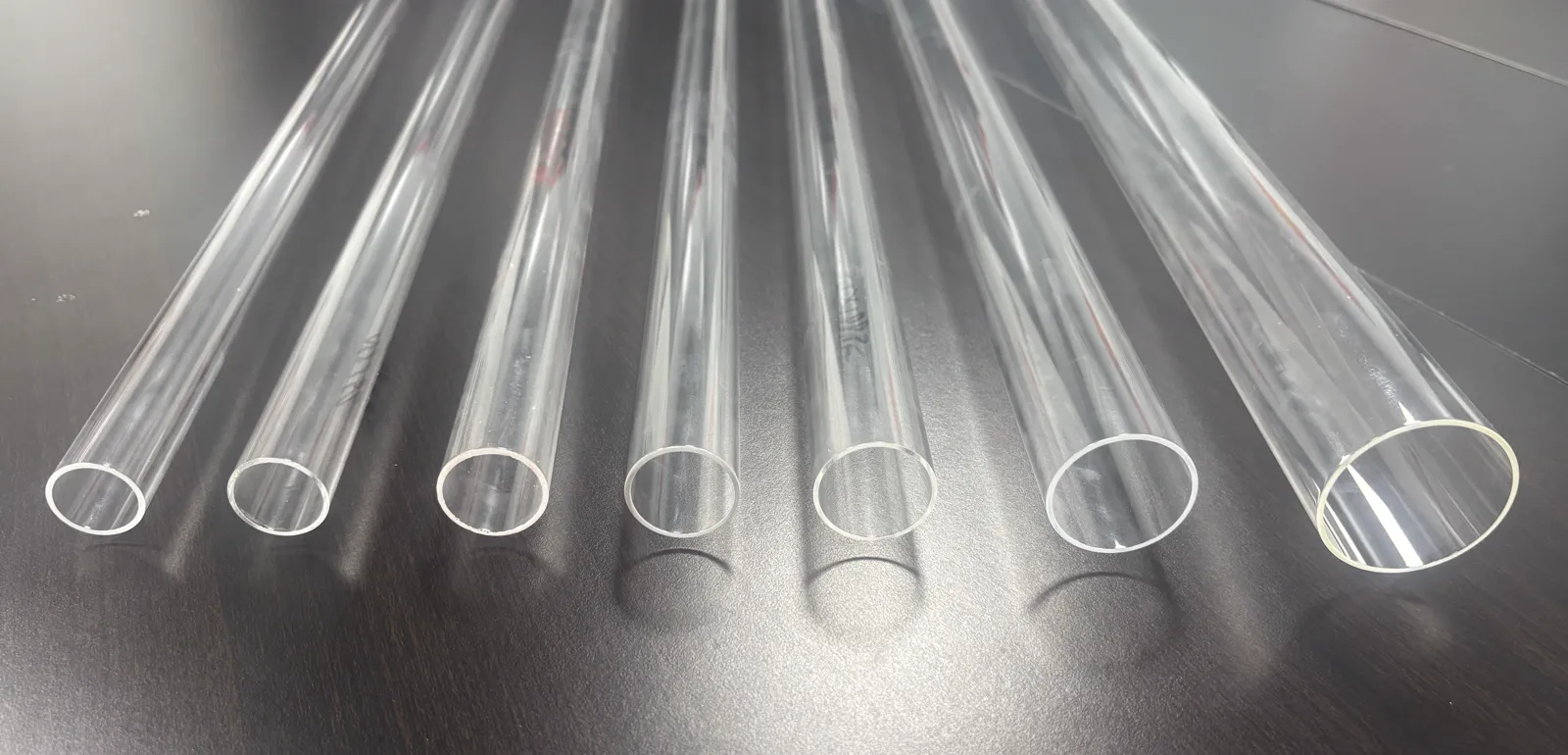
Quartz sleeves form the optical path between the lamp and the water. Cleaning method and chemistry must follow the approved equipment instructions and site safety procedure.
Verify automatic cleaning during FAT and SAT
If automatic cleaning is included, the purchase specification should turn it into observable checks.
Verify drive type, full stroke, limit feedback and local/manual operation.
Simulate start, stop, fault and loss-of-utility conditions.
Confirm cycle frequency, permissives, alarm message and remote status.
Check that the cleaning mechanism does not obstruct lamp or sleeve service.
Record the test conditions and the accepted result in the FAT/SAT sheet.
Boundary: a successful wiper cycle proves movement and control logic under the test condition. It does not by itself prove deposit removal at site or a validated UV dose.
Manual, mechanical or mechanical-chemical preference, if already decided
Available power, air, water and chemical utilities
Service-clearance drawing and maintenance access
Cleaning cycle, local/remote control, alarms and SCADA points
Approved cleaning chemistry and material compatibility
FAT/SAT checks, spares and maintenance documents required
Common buyer questions
Does every industrial UV reactor need automatic sleeve cleaning?
No. Low-fouling water, an acceptable shutdown window and easy access may make scheduled offline cleaning sufficient.
Can a low-intensity alarm prove that the sleeve is fouled?
No. Check UVT, lamp and ballast status, sensor condition, flow, bubbles and other operating changes before assigning the cause.
Does automatic wiping remove every deposit?
No. Effectiveness depends on deposit chemistry, wiper design and operating conditions. Inspection and an offline recovery method remain necessary.
Sources and limits
This guide converts public engineering guidance into a procurement checklist. Project specifications, approved drawings, the equipment manual and the agreed validation/acceptance basis control the actual installation.