Shenzhen International Exchange Centre: Water Circulation, Reclaimed Water and Rainwater Treatment
Shenzhen, China · Project delivered in late 2024
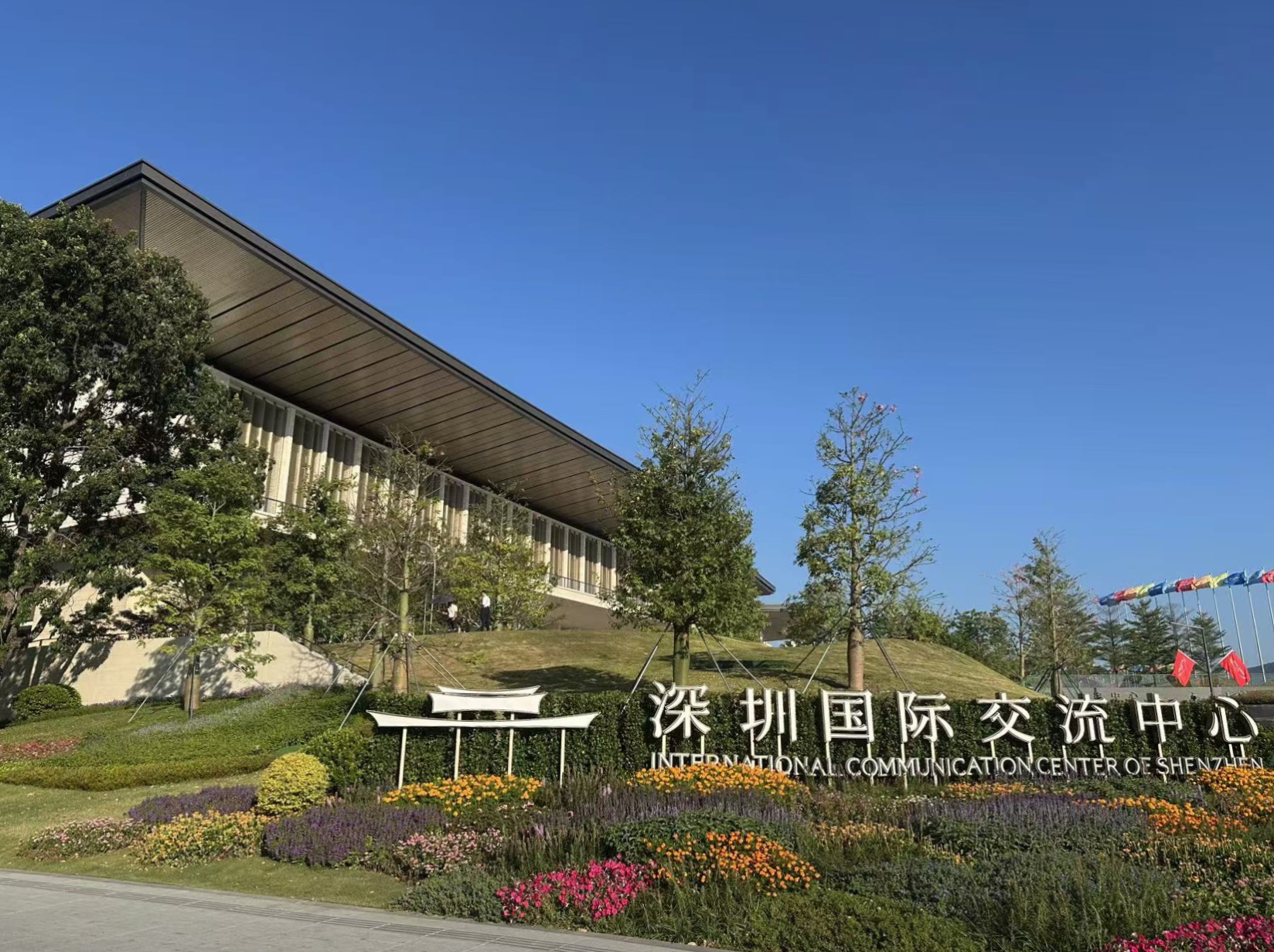
KONCHE supplied three building-side water system packages for Shenzhen International Exchange Centre, the APEC 2026 summit venue in Shenzhen's Futian Xiangmi Lake district. The project was delivered in late 2024. A conference venue of this scale has water streams with different sources, storage conditions and operating patterns; treatment at the building level lets each system be designed and checked for its own duty. The scope comprised a water circulation system with softening-water and cooling-water subsystems, a reclaimed-water system and a rainwater system.
Project overview: a venue with several water duties
Shenzhen International Exchange Centre (Phase 1) is a conference-and-hospitality complex: roughly 216,000 m² of floor area, a main hall of about 5,000 m², a 3,800 m² banquet hall, some 60 meeting rooms, and capacity for more than 10,000 attendees at once, plus hotel facilities. It is the APEC 2026 summit venue.
Why does a major venue need building-side water treatment?
Large venues do more than receive water at one inlet. They circulate water, handle reclaimed water and collect rainwater, each under different conditions. The treatment scope therefore has to be built around the duty of each system:
- Water circulation: Recirculation and cooling-water makeup call for checks on hardness, scaling tendency, suspended matter and operating conditions. Softening and cooling-water equipment address different parts of that duty.
- Reclaimed water: The source and intended reuse determine the treatment target, filtration and disinfection requirements, and the monitoring needed in operation.
- Rainwater: Collection varies with weather and runoff conditions. Storage and intermittent use make inlet quality, filtration and disinfection important design inputs.
These are general engineering reasons for separate building-side treatment, rather than claims about a measured water-quality problem at this venue. For this project, the tender specified the required functions and acceptance criteria for the supplied systems.
The three systems supplied for the project
| Project system | Scope described by the project |
|---|---|
| Water circulation system | Includes a softening-water subsystem and a cooling-water subsystem. |
| Reclaimed-water system | A separate system package for the project's reclaimed-water duty. |
| Rainwater system | A separate system package for the project's rainwater duty. |
The supplied equipment schedule identifies automatic softening equipment, integrated water-purification equipment, filter groups, UV disinfection equipment and silver-ion disinfection equipment. The integrated unit includes filtration and dosing components; the filter groups include their associated controls. This is a project-wide equipment summary: the public schedule available for this case does not establish a complete branch-by-branch process sequence, so the equipment list should not be read as a flow diagram.
How the equipment functions support the systems
- Automatic softening supports the softening-water subsystem within the water circulation system.
- Integrated purification and filter groups provide treatment stages specified for the project's water systems, with filtration and dosing functions recorded in the supply schedule.
- UV disinfection adds a disinfection barrier with operating and monitoring requirements set in the project specification.
- Silver-ion disinfection is another specified disinfection equipment category, with its own operating and control requirements.
The exact arrangement, control logic and setpoints depend on the approved drawings and project specification. Equipment categories alone do not prove the order of treatment stages or a particular water-quality result.
Project acceptance basis
The tender's technical requirements were this project's acceptance criteria, and the project was delivered in late 2024. They covered the required equipment functions and relevant quality, operation, monitoring, control and documentation requirements. This case records the supplied system and equipment categories without treating a generic equipment list as an as-built process diagram.
What to define for a similar venue
An engineering review should start with the source and duty of each stream, then check inlet quality, target quality, normal and peak demand, storage and circulation conditions, available space, drainage, power and control interfaces. The water circulation, reclaimed-water and rainwater packages should each be assessed against their own project requirements before equipment is selected. → review project engineering support
Related pages
Plan a venue
water-treatment project.
Share your source-water report, points of use and building operating conditions for a project-specific review.
Review Project Fit ↗